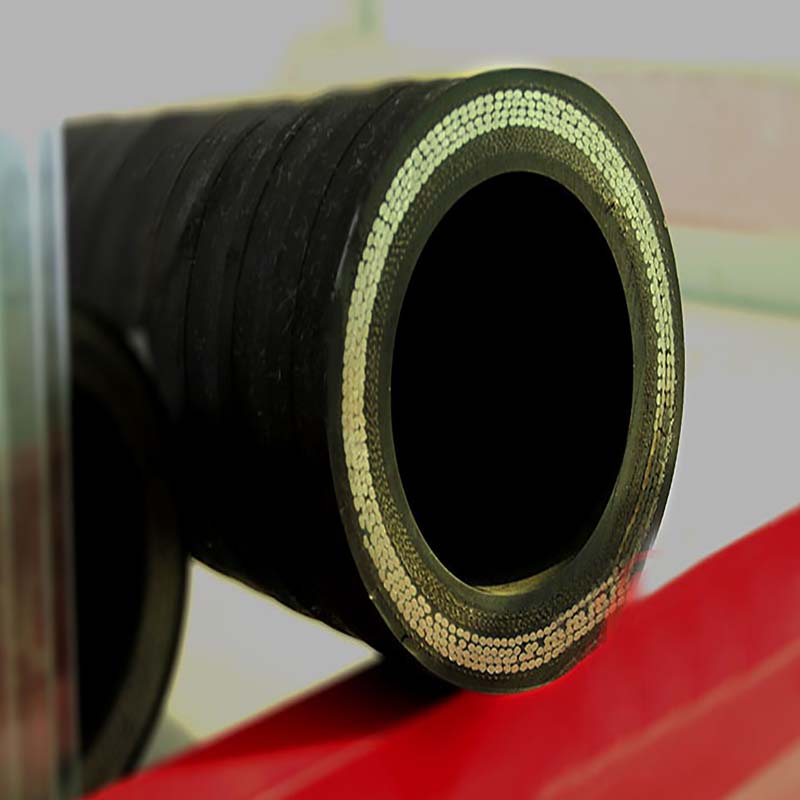
Wear resistant rubber sand and gravel conveying hose
In modern industrial and construction fields, the demand for sand and mud pumping is constantly increasing, and the emergence of large-diameter rubber hoses provides an effective solution to this demand. Rubber hoses have shown unparalleled advantages in sand pumping, mud transportation, drainage, and other areas due to their superior wear resistance, flexibility, and corrosion resistance. This article will delve into the characteristics, application areas, selection guidelines, and maintenance methods of large-diameter rubber hoses, aiming to provide comprehensive information for users.
Characteristics of large-diameter rubber hoses
1. Materials and Structure
Large caliber rubber hoses are usually made of high-performance synthetic rubber materials, with an inner layer that is highly wear-resistant and an outer layer that has superior corrosion resistance. The selection of this material ensures that the hose is not easily damaged when facing sharp objects and chemicals, extending its service life.
2. Flexibility and bending ability
Compared to traditional metal pipes, rubber hoses have higher flexibility. It can easily bend and adapt to complex construction sites or narrow spaces. This is particularly important in the process of sand pumping and mud transportation, as it often requires flexible application in irregular terrain.
3. High pressure and high temperature resistance
Large caliber rubber hoses not only withstand high pressure, but also maintain stable performance at certain temperatures, making them widely applicable in high-intensity sand pumping work. Whether in sand and gravel mining areas or river dredging projects, rubber hoses can effectively complete tasks.
4. Attraction and emission capacity
The rubber hose adopts a special design, which can not only efficiently extract sediment, but also achieve rapid discharge. This feature significantly improves work efficiency, reduces construction time and costs.
Application field
Large caliber rubber hoses are widely used in the following fields:
1. Architecture and Construction
During the construction process, it is often necessary to extract and transport soil and sand. Large caliber rubber hoses can quickly and smoothly complete this task and are indispensable equipment on construction sites.
2. Mining industry
In mining operations, a large amount of sediment and waste materials need to be transported to designated locations. At this time, rubber hoses have become transportation tools for mining enterprises due to their wear resistance and pressure bearing capacity.
3. Water conservancy engineering
Rubber hoses also play an important role in water conservancy projects such as river management and reservoir construction. It can not only achieve effective pumping, but also discharge sediment, providing guarantees for the smooth progress of water conservancy projects.
4. Environmental protection field
When cleaning up water pollution in rivers, lakes, and other bodies of water, rubber hoses can efficiently extract pollutants, help improve water quality, and enhance the restoration of the ecological environment.
Selection Guide
When choosing large-diameter rubber hoses, users need to consider the following aspects:
1. Pipe diameter and length
It is particularly important to choose the appropriate pipe diameter and length according to the requirements of the project. A diameter that is too small may result in insufficient flow, while a diameter that is too large can increase unnecessary costs.
2. Material quality
Ensure that the selected rubber hoses come from reputable manufacturers with qualified materials that meet industry standards. Poor quality hoses are prone to problems during use, which can affect the progress of the project.
3. Voltage resistance level
Users working in high-pressure environments need to choose rubber hoses with higher pressure resistance levels to ensure safety and efficiency during the work process.
4. Service and after-sales service
Choosing a manufacturer that provides excellent after-sales service can guarantee maintenance and use in the future. Understanding the manufacturer's service policies and after-sales support can reduce inconvenience during subsequent use.
Maintenance methods
In order to extend the service life of large-diameter rubber hoses, users should pay attention to the following points during use and maintenance:
1. Regular inspection
Regularly inspect the hose for cracks, wear, or leaks, and promptly address any issues to avoid accidents during use.
2. Cleaning and maintenance
After use, clean the rubber hose in a timely manner to remove internal and external mud and dirt, and avoid impurities blocking the pipeline. Meanwhile, it is recommended to regularly lubricate to prevent the aging of rubber materials.
3. Reasonable storage
Attention should also be paid to the storage environment of rubber hoses, avoiding placing them in direct sunlight, high temperatures, or extremely cold environments to avoid affecting material properties and shortening their service life.
4. Use appropriate accessories
When connecting hoses, use appropriate fittings and valves to ensure the sealing of the connection and avoid water leakage and seepage.
Conclusion
As an ideal choice for sand pumping and mud transportation, large-diameter rubber hoses, with their unique characteristics and wide range of applications, not only improve the efficiency of engineering work, but also provide safe and efficient solutions for various construction sites. During use, users need to consider their actual needs and pay attention to the selection and maintenance of rubber hoses to ensure that the equipment can fully utilize its performance. I hope this article can provide valuable information and guidance for users, making it easier for them to choose and use large-diameter rubber hoses.
