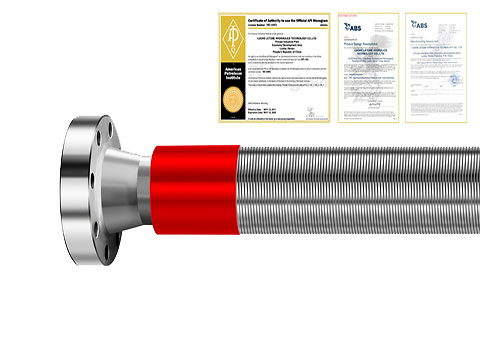
API 7K Rotary Drilling Hose DN50-DN160, High Pressure Cementing Mud Hose
The demand for high-pressure flame-retardant drilling pipelines is growing in the oil and gas extraction industry. Especially in harsh downhole environments, these pipelines not only need high pressure resistance but also flame-retardant properties to address potential risks during oil and gas extraction. This article will delve into high-pressure flame-retardant drilling pipelines compliant with API 7K specifications, focusing on DN40-DN100 sizes, pressure ranges of 4500-9500 PSI, and flexible rotary drilling hoses used in oil well drilling.
I. Definition and Characteristics of High-Pressure Flame-Retardant Drilling Pipelines
High-pressure flame-retardant drilling pipelines are piping systems specifically designed for oil and gas extraction, capable of withstanding pressures up to 9500 PSI. These pipelines utilize special materials and advanced manufacturing processes to ensure excellent performance in high-temperature and high-pressure environments. Furthermore, the use of flame-retardant materials increases pipeline safety, effectively reducing the risk of fires caused by oil and gas leaks.
Drilling pipelines compliant with API 7K specifications mean that they meet or exceed industry standards in manufacturing, performance, and testing. This specification primarily targets drilling equipment, including drill pipe, fittings, and casing, ensuring their reliability and safety in harsh environments.
II. In-depth Understanding of the API 7K Specification
The API 7K specification, published by the American Petroleum Institute (API), mainly covers the design, materials, manufacturing, and testing of drilling equipment. This specification not only covers technical requirements such as product safety and pressure resistance but also clarifies corresponding testing standards and quality control measures. High standards ensure the strength and durability performance of drilling pipelines, especially under challenging environmental conditions.
1. Product Materials: High-pressure flame-retardant drilling pipelines conforming to the API 7K specification are typically made of alloy steel or special synthetic materials. These materials possess excellent high-temperature resistance and corrosion resistance, enabling them to operate effectively in extreme operating environments.
2. Manufacturing Process: The manufacturing process strictly adheres to the API 7K specification, applying advanced welding and heat treatment technologies to ensure that each product achieves the required strength and durability.
3. Testing Standards: After production, all pipelines undergo rigorous pressure and leakage tests to ensure their safety and reliability in practical applications.
III. Core Specifications: DN40-DN100 and Pressure Resistance 4500-9500 PSI
1. Specification Introduction
DN (Nominal Diameter) is the standard unit for representing the inner diameter of a pipeline. The range of DN40 to DN100 covers a variety of applications. Common diameters such as DN40, DN50, DN65, DN80, and DN100 facilitate meeting different fluid transport requirements. Larger inner diameters effectively reduce fluid flow resistance, thereby improving oil and gas transport efficiency.
2. Pressure Resistance
Pressure resistance is a crucial factor in selecting drilling pipelines. A pressure resistance range of 4500-9500 PSI ensures that these pipelines can operate stably under high pressure environments, reducing the risk of pipeline rupture or leakage due to excessive pressure. This allows the pipelines to perform well even during long-term deep well operations, reducing the frequency of equipment failure.
IV. Flexible Rotary Drilling Hoses in Oil Well Development
Flexible rotary drilling hoses are an essential component of modern drilling operations, especially important in complex geological conditions. Their flexible design can adapt to different formation variations and operational requirements, reducing equipment wear and failure rates.
1. High Adaptability: Flexible drilling hoses can operate under high temperature, high pressure, and a certain degree of torsion, making them ideal for drilling deep wells.
2. Convenient Installation: Compared to rigid pipelines, flexible drilling hoses are easier to install and remove, effectively shortening operation time and improving work efficiency.
3. High Fluid Transport Efficiency: Highly efficient fluid transport capacity ensures no significant pressure loss during oil and gas extraction, improving the overall economics of the operation.
V. Application Areas and Market Demand
The widespread application of high-pressure flame-retardant drilling pipelines and flexible rotary drilling hoses covers multiple fields, including onshore and offshore oil and gas extraction, and large-scale mineral resource exploration. With the continuous increase in global energy demand, the market demand for related equipment is also constantly rising.
1. Safety and Environmental Protection: In today's rapidly developing technological landscape, the oil and gas industry increasingly prioritizes safety and environmental protection. The use of high-pressure flame-retardant drilling pipelines effectively responds to this demand, significantly improving operational safety and ensuring the safety of personnel and property.
2. Technological Innovation: The introduction of new materials and technologies has driven the continuous upgrading of high-pressure flame-retardant drilling pipelines and flexible drilling hoses. For example, the use of composite fiber materials has enabled pipelines to reduce weight while maintaining strength, improving operational convenience.
3. Sustainable Development: In the future, with the rise of renewable energy, the traditional oil and gas extraction industry is constantly seeking transformation and upgrading. High-pressure flame-retardant drilling pipelines will play a crucial foundational role in this process.
VI. Conclusion
High-pressure flame-retardant drilling pipelines comply with API 7K specifications and possess several outstanding characteristics, such as high pressure resistance, flame retardancy, and flexibility. With the growth of global oil and gas demand and market changes, the importance of these pipelines and related equipment is becoming increasingly prominent. They provide reliable guarantees for modern oil and gas development, driving the industry's continuous progress and innovation.
In future oil and gas development, choosing high-quality high-pressure flame-retardant drilling pipelines and flexible rotary drilling hoses will not only improve the safety and efficiency of operations, but also contribute to environmental protection and the sustainable development of the industry.
